
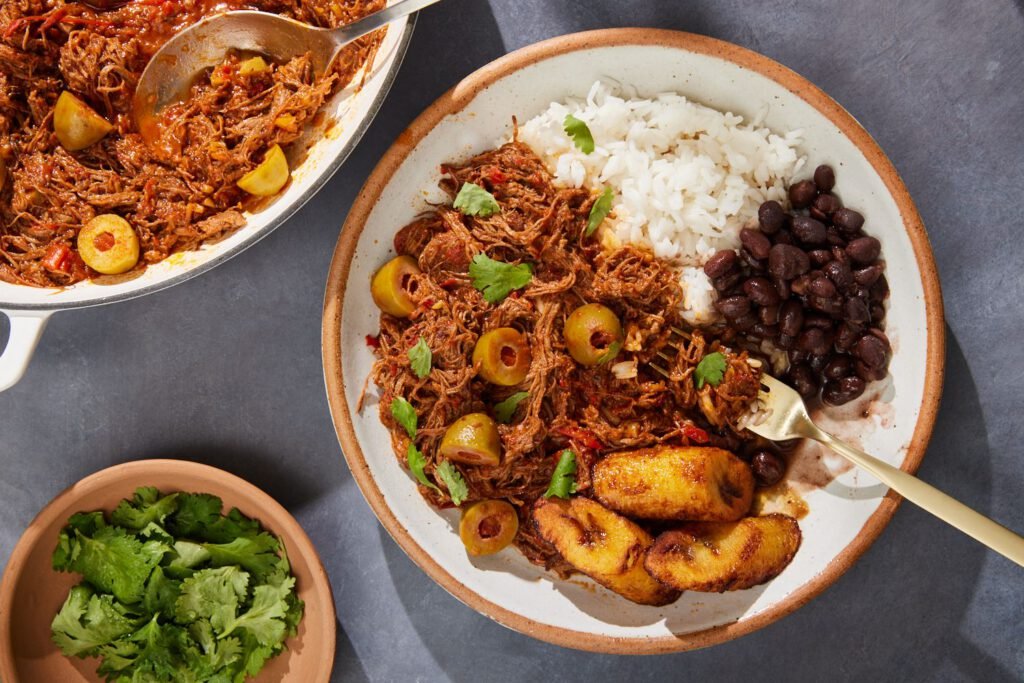
Latin American cuisine is a colorful and diverse culinary tradition that reflects the richness of its cultures and landscapes. Stretching from Mexico to the southern tip of South America, the region offers a wide variety of dishes that are deeply rooted in history and shaped by a blend of indigenous, European, African, and even Asian influences. Each country brings its own identity to the table, making Latin food a unique and exciting experience.
The Diversity of Regional Cuisines
Mexico and Central America
In Mexico and Central America, food is known for its vibrant flavors and use of fresh ingredients. Corn is a staple, used to make tortillas, tamales, and other traditional dishes. Beans, chili peppers, and avocados are also essential. Meals often combine spicy, savory, and tangy elements, creating a balance that is both bold and satisfying.
The Andean Region
The Andean countries, including Peru, Bolivia, and Ecuador, are known for their use of native ingredients such as potatoes, quinoa, and corn. The region’s cuisine often features hearty and nutritious dishes. Peru, in particular, has gained international recognition for its innovative gastronomy, blending traditional ingredients with modern techniques.
Southern South America
Countries like Argentina, Chile, and Uruguay are famous for their meat-based cuisine. Grilling, or “asado,” is a central tradition, especially in Argentina. These countries also incorporate European influences, particularly from Italy and Spain, which can be seen in their breads, pastas, and desserts.
The Caribbean
Caribbean cuisine is a fusion of African, Spanish, and indigenous influences. It is known for its bold spices, tropical fruits, and seafood. Coconut, plantains, and rice are common ingredients, and dishes often feature a mix of sweet and savory flavors.
Cooking Techniques and Traditions
Grilling and Roasting
Grilling is one of the most popular cooking methods in Latin America, especially in countries known for their beef. Open-fire cooking enhances the natural flavors of meat and is often a social activity where families and friends gather together.
Street Food Culture
Street food plays an important role in Latin American countries. Vendors offer quick, affordable, and delicious meals that reflect local traditions. From tacos and empanadas to grilled corn and fried snacks, street food is an essential part of daily life.
The Role of Fresh Ingredients
Farm-to-Table Traditions
Many Latin American dishes rely on fresh, locally sourced ingredients. Markets are filled with colorful fruits, vegetables, and herbs that are used daily in cooking. This connection to fresh food contributes to the vibrant flavors and nutritional value of the cuisine.
Desserts and Beverages
Traditional Sweets
Latin desserts are known for their sweetness and richness. Popular treats include caramel-based desserts, creamy custards, and cakes soaked in milk. These desserts are often enjoyed during celebrations and special occasions.
Refreshing Drinks
Beverages are also an important part of the culinary experience. Fresh fruit juices, corn-based drinks, and herbal infusions are common throughout the region. Each country has its own traditional drinks that complement its cuisine.
Cultural Significance of Latin Food
Food as a Cultural Identity
Food in Latin America is more than just nourishment—it is a reflection of cultural identity and heritage. Recipes are passed down through generations, preserving traditions and connecting families to their roots.
Celebrations and Festivals
Many festivals and holidays revolve around food. Special dishes are prepared for occasions such as religious celebrations, national holidays, and family gatherings. These events highlight the importance of food as a symbol of unity and joy.
Conclusion
Latin American cuisine is a dynamic and diverse culinary tradition that continues to evolve while preserving its roots. Its rich flavors, fresh ingredients, and cultural significance make it one of the most beloved cuisines in the world. Exploring Latin food is not just about tasting delicious dishes—it is about experiencing the history, traditions, and passion of an entire region.